


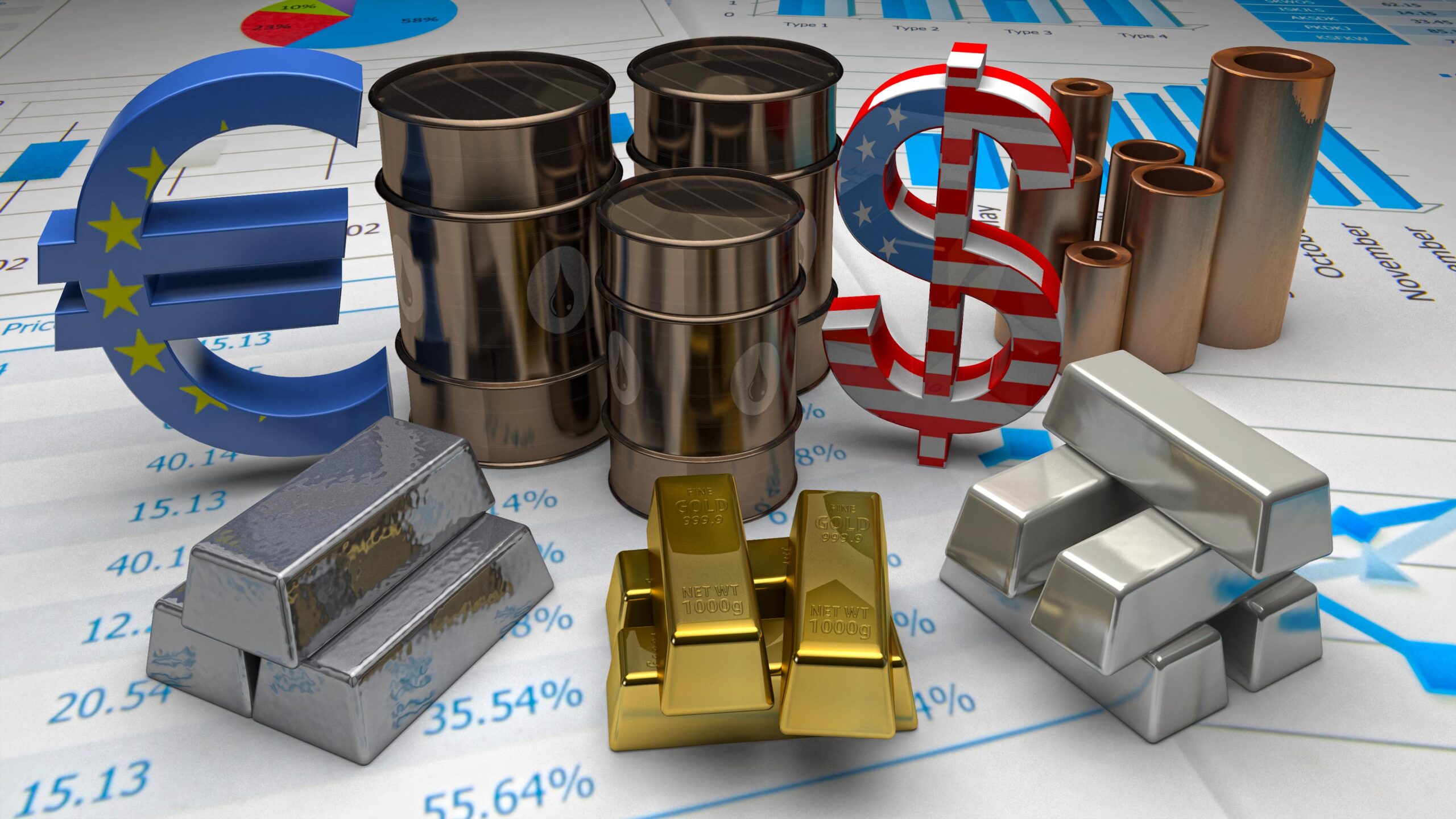
Financial markets today feel unsettling not because they are volatile, but because they are calm in precisely the wrong places.
US equities hover near record highs. Volatility is subdued. Credit spreads remain tight. Yet beneath the surface, some of the most important pillars of the post-2008 financial order — the dollar’s reflexive strength, Treasuries as the uncontested safe asset, and the Federal Reserve’s political independence — are being quietly renegotiated.
This is not how crises usually begin. It is how regime changes do.
From Exceptionalism to Arithmetic
The United States has long enjoyed a rare privilege: the ability to expand fiscally without paying an immediate price in its currency or borrowing costs. That privilege rested on three assumptions — credible monetary independence, geopolitical trust, and the belief that US debt was ultimately self-correcting through growth.
All three are now under strain.
The US is running historically large deficits late in the economic cycle, with debt issuance accelerating just as interest costs compound. At the same time, political pressure on the Federal Reserve to ease policy has become explicit rather than implicit. This matters less for the next meeting and more for the signal it sends: monetary policy is increasingly expected to accommodate fiscal reality rather than constrain it.
That is fiscal dominance — not as theory, but as lived practice.
Markets do not wait for official declarations. They adjust slowly, almost politely, until the adjustment becomes obvious in hindsight.
Why Strong Growth Is No Longer Dollar-Positive
Conventional analysis struggles with the current environment because it relies on outdated cause-and-effect relationships. Strong US growth, we are told, should support the dollar — especially relative to a structurally weaker Europe.
Yet currencies do not trade GDP prints; they trade confidence in future purchasing power.
Growth financed through productivity and capital formation strengthens currencies. Growth financed through subsidies, deficits, and debt issuance does not. When growth coincides with worsening fiscal arithmetic, foreign exchange markets begin to price dilution rather than dynamism.
This explains the apparent paradox of a rising euro despite Europe’s weak growth outlook. The euro’s strength is not an endorsement of European policy. It is a referendum on US excess at the margin.
The Dollar’s Most Important Shift: From Shelter to Funding Currency
Perhaps the most underappreciated change is the dollar’s evolving role in global portfolios.
For years, the dollar was defensive — bid reflexively during stress. Increasingly, it behaves like a funding currency, particularly against hard assets and select foreign currencies. This is why the dollar can weaken alongside Treasuries without triggering systemic alarm.
This is not capital flight. It is diversification.
Reserve managers are not abandoning the dollar. They are simply less willing to increase exposure — especially when US policy has become more transactional, more politicized, and less predictable.
Trust erodes quietly before it erodes loudly.
Tariffs, Inflation, and the End of the Free Disinflation Lunch
At the same time, the global disinflationary forces that defined the last three decades are reversing. Tariffs, supply chain redundancy, strategic re-shoring, and energy underinvestment all point in one direction: structurally higher nominal prices.
This matters because it narrows policymakers’ room to maneuver.
In a world of persistent fiscal stimulus and renewed inflation pressure, rate cuts become politically attractive but economically dangerous. Markets understand this tension — which is why real assets are being repriced even as headline inflation cools.
The mistake is to view this as a late-cycle commodity spike. It is better understood as a reassertion of scarcity pricing after a decade of financial repression.
Energy: The Most Mispriced Macro Variable
Nowhere is this clearer than in energy.
Oil is not just a cyclical input; it is a geopolitical and monetary asset. Years of underinvestment, regulatory hostility, and ESG-driven capital withdrawal have constrained supply just as global demand remains resilient.
Energy equities — particularly diversified producers — offer something increasingly rare: exposure to real cash flows, pricing power, and assets denominated in a weakening currency. In a world drifting toward fiscal dominance, energy is not a trade; it is insurance.
This is why energy exposure increasingly looks more attractive than broad commodity baskets, which embed inflation hedges but lack balance-sheet discipline.
Gold, FX, and the Subtle Hedge
Gold’s recent behavior unsettles traditional narratives. It rises not because inflation is exploding, but because confidence in fiat discipline is eroding. That distinction matters.
Gold, select foreign currencies, and energy are not bets on catastrophe. They are hedges against complacency — against the assumption that yesterday’s policy credibility will automatically persist tomorrow.
This is also why currencies like the euro, Swiss franc, and yen regain relevance. Not because their economies are stronger, but because their policy constraints are clearer.
Why Markets Feel “Wrong” Right Before They Become Right
The most dangerous periods in markets are not those of visible stress, but those of narrative exhaustion — when investors sense something is wrong but cannot yet anchor it in price action.
Today’s environment feels irrational because old frameworks no longer explain new realities. US equities can rise even as the dollar weakens. Treasuries can sell off without panic. Commodities can rally without speculative excess.
That is not chaos. It is transition.
Seeing the Shift Before It’s Priced
This is not a call for dramatic exits or apocalyptic positioning. It is a call for intellectual flexibility.
A world of fiscal dominance, politicized central banking, and geopolitical fragmentation rewards relative value over absolutes, real assets over promises, and diversification over blind faith.
The dollar will remain central to global finance — but it will no longer be unquestioned. Energy will remain volatile — but it will no longer be ignored. Gold will remain unloved — until it isn’t.
Regime changes rarely announce themselves. They whisper first.
Those who listen early do not need to shout later.